
As the temperature drops, it’s common to notice water droplets forming on the inside of your windows. This isn’t just an annoying side effect of winter — it can be a sign of a deeper issue in your home’s thermal efficiency and ventilation. Left unchecked, this condensation can lead to mould growth, damage to window frames, and poor indoor air quality.
Let’s explore why condensation forms, how it can become a bigger problem, and what you can do to fix it — including why upgrading to thermally broken uPVC frames might be the smartest long-term move you can make.
What Causes Condensation on Windows?
Condensation happens when warm, moist air inside your home hits a cold surface — like your window glass. The air cools rapidly, losing its ability to hold moisture, which then collects as water droplets on the window.
This is especially common in winter, when:
- Outdoor temperatures are low
- Indoor activities like cooking, showering, and even breathing produce moisture
- Heating systems dry the air, prompting more vapour to try and escape
Why It Matters: Mould & Health Risks
Condensation might seem harmless, but it’s the first step toward mould growth. If your windows are consistently wet inside, the surrounding frames, sills, and nearby walls may start to develop mould. This can:
- Damage paint, plaster, timber, and insulation
- Trigger respiratory issues like asthma or allergies
- Contribute to an unhealthy indoor environment
In short, it’s not just a cosmetic problem — it’s a structural and health concern too.
Why Some Double Glazing Still Has Condensation
You’d think double-glazing would solve this, right? And in theory, it should — if the windows are made with quality, thermally efficient materials.
The issue arises when double-glazed units are paired with poor-performing window frames, such as:
- Aluminium frames without a thermal break
- Timber frames that conduct cold or retain moisture
These frames become cold bridges — meaning they conduct cold from the outside into the interior of the window. Even with good glass, the temperature of the frame can still drop low enough to allow condensation to form along the edges, corners, or even on the pane itself.
Do Honeycomb Blinds Help?
Honeycomb (or cellular) blinds can help moderate the temperature inside by adding an insulating layer between the glass and your room. Their hexagonal design traps air, reducing heat loss through the window and making rooms feel warmer.
However, blinds are a supplementary fix — they don’t address the root cause, which is the thermal inefficiency of the window unit itself. In fact, if blinds block airflow and trap moisture behind them, they may even increase condensation unless combined with proper ventilation.
The Real Solution: Thermally Broken uPVC Frames
If you want to truly prevent winter window condensation and future mould issues, the best long-term solution is thermally broken uPVC double glazing.
Here’s why:
🔹 What Is a Thermally Broken Frame?
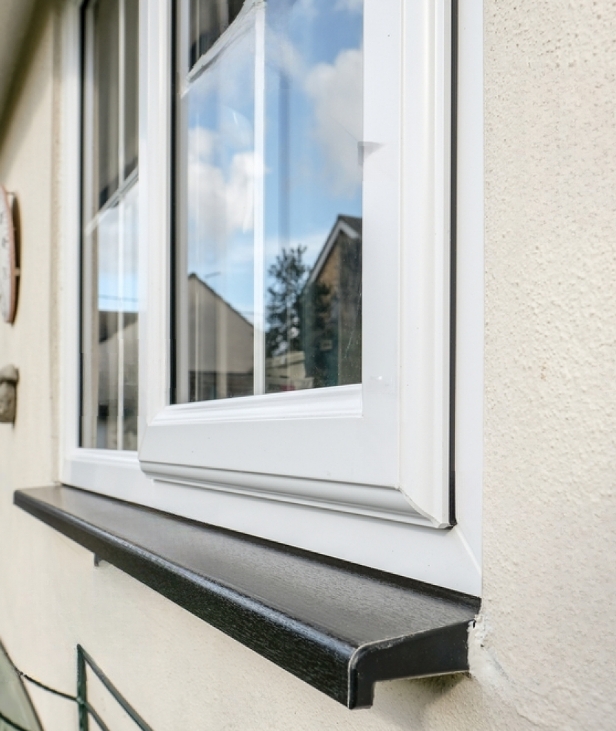
A thermally broken frame contains an insulating material between the inner and outer parts of the frame, creating a barrier that stops heat from transferring. In uPVC frames, this is often built-in due to the low conductivity of the material, but high-performance versions offer multiple chambers and reinforced insulation for even better results.
🔹 Why Thermally Broken uPVC Is Better:
- Reduces cold bridging — no more icy frame edges
- Minimises internal condensation
- Improves energy efficiency — keeps warmth in during winter and heat out during summer
- Low maintenance and weather-resistant
- Long lifespan and excellent acoustic insulation
It’s a smart investment for any home battling winter condensation — especially in climates with cool, damp conditions.
Final Thoughts
If you’re wiping down your windows every morning, running dehumidifiers, or noticing dark patches of mould creeping in around the frame, it’s time to take action. While blinds and ventilation help, they’re not enough if the window system itself is the problem.
Thermally broken uPVC double glazing offers a long-term, effective solution that not only tackles condensation and mould but improves the overall comfort, efficiency, and health of your home.
Got questions about upgrading your windows? We’d be happy to help.