If you are looking at replacing your windows, you have probably come across both uPVC and aluminium as frame options. On the surface they can look similar, but they perform very differently and the choice you make will affect the comfort, energy efficiency and maintenance of your home for decades. Here is an honest comparison.
What is the difference between uPVC and aluminium window frames?
Aluminium is a metal. It is strong, lightweight and has been used in window frames in Australia for many years. The problem is that metal conducts heat and cold extremely efficiently, which is exactly the opposite of what you want in a window frame. In summer, aluminium frames get hot to the touch. In winter, they become cold, which contributes to condensation on the glass and transfers cold into the room.
uPVC stands for unplasticised polyvinyl chloride. It is a rigid, stable material that does not conduct heat or cold the way metal does. This makes it a far better insulator and a more appropriate choice for a double glazed window system.
Thermal performance
This is where the difference is most significant. An aluminium frame, even a standard double glazed one, creates what is called a thermal bridge. Heat from inside your home travels through the metal frame to the outside, and cold from outside travels in. This undermines the performance of the double glazed glass unit itself.
A thermally broken aluminium frame addresses this by inserting a polyamide strip through the centre of the frame to interrupt the heat transfer. It performs better than standard aluminium but still does not match uPVC.
uPVC has no thermal bridge. The frame itself is an insulator, which means the whole window system, frame and glass together, performs as it should. Our uPVC double glazed windows achieve a whole-window U-value of 1.5, which is around four times more thermally efficient than single glazing.
Durability and maintenance
Aluminium is durable and does not rot, but it does corrode over time in coastal environments. Homes on the Mornington Peninsula or near the coast will find that salt air accelerates this process, and the anodised or powder-coated finish on aluminium frames can deteriorate and become difficult to restore.
uPVC does not corrode, does not rot, and does not require painting or sealing. The colour is consistent through the material, so surface wear does not show the way it does on a coated metal frame. A quality uPVC frame is designed to last 30 years or more with minimal maintenance beyond cleaning.
Aesthetics
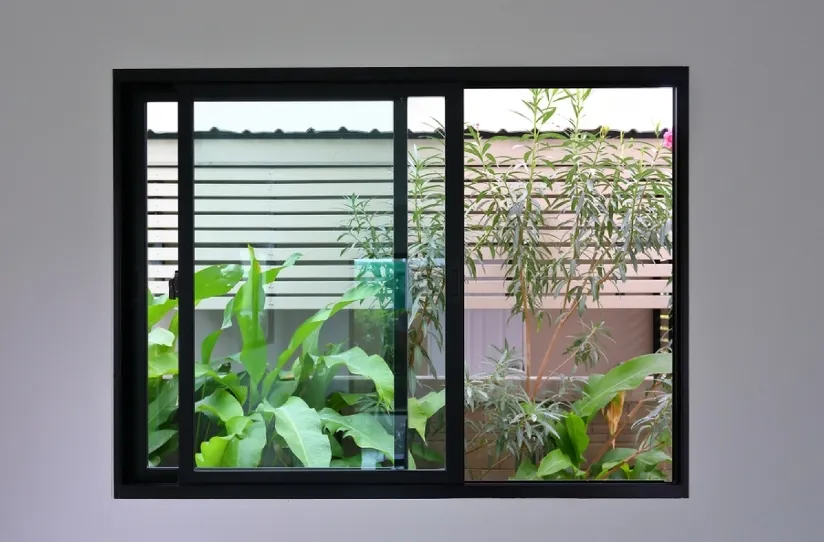
Aluminium has traditionally been seen as the slimmer, more modern-looking option. uPVC frames have improved significantly in recent years and are now available in a wide range of colours including white, cream, timber look finishes, and black. For most residential applications the difference in frame width is minimal and does not affect the look of the finished window in a meaningful way.
Which should you choose?
For thermal performance, coastal durability and long-term low maintenance, uPVC is the better choice for most Australian homes. If you are installing double glazing with the goal of improving comfort and reducing energy costs, a uPVC frame gives you the best whole-window result.
Thermally broken aluminium is a reasonable option where the aesthetic of a slimmer frame is important, but it comes at a higher cost and still does not match the thermal performance of uPVC.
Frequently Asked Questions
Is uPVC cheaper than aluminium?
uPVC double glazed windows are generally comparable in price to thermally broken aluminium and often more affordable. Standard aluminium double glazing is cheaper upfront but offers significantly lower thermal performance, so the long-term value of uPVC is higher.
Do uPVC windows look good on modern homes?
Yes. uPVC frames are available in a range of colours and profiles that suit contemporary, traditional and heritage homes. Black uPVC frames in particular have become popular on modern builds and renovations across the Mornington Peninsula.
Are uPVC windows suitable for coastal homes?
uPVC is one of the best materials for coastal environments. Unlike aluminium it does not corrode in salt air, and unlike timber it does not absorb moisture. It is a practical and durable choice for homes near the beach or bay.
Can aluminium windows be double glazed?
Yes, but for the double glazing to perform properly the aluminium frame needs to be thermally broken. A standard aluminium frame with double glazed glass still allows heat to transfer through the frame itself, which limits the overall performance of the window.